
How the Right Car Park Safety Signage Prevents Accidents, Confusion & Liability
Car Park Safety Isn’t Optional — It’s Controlled by Signage
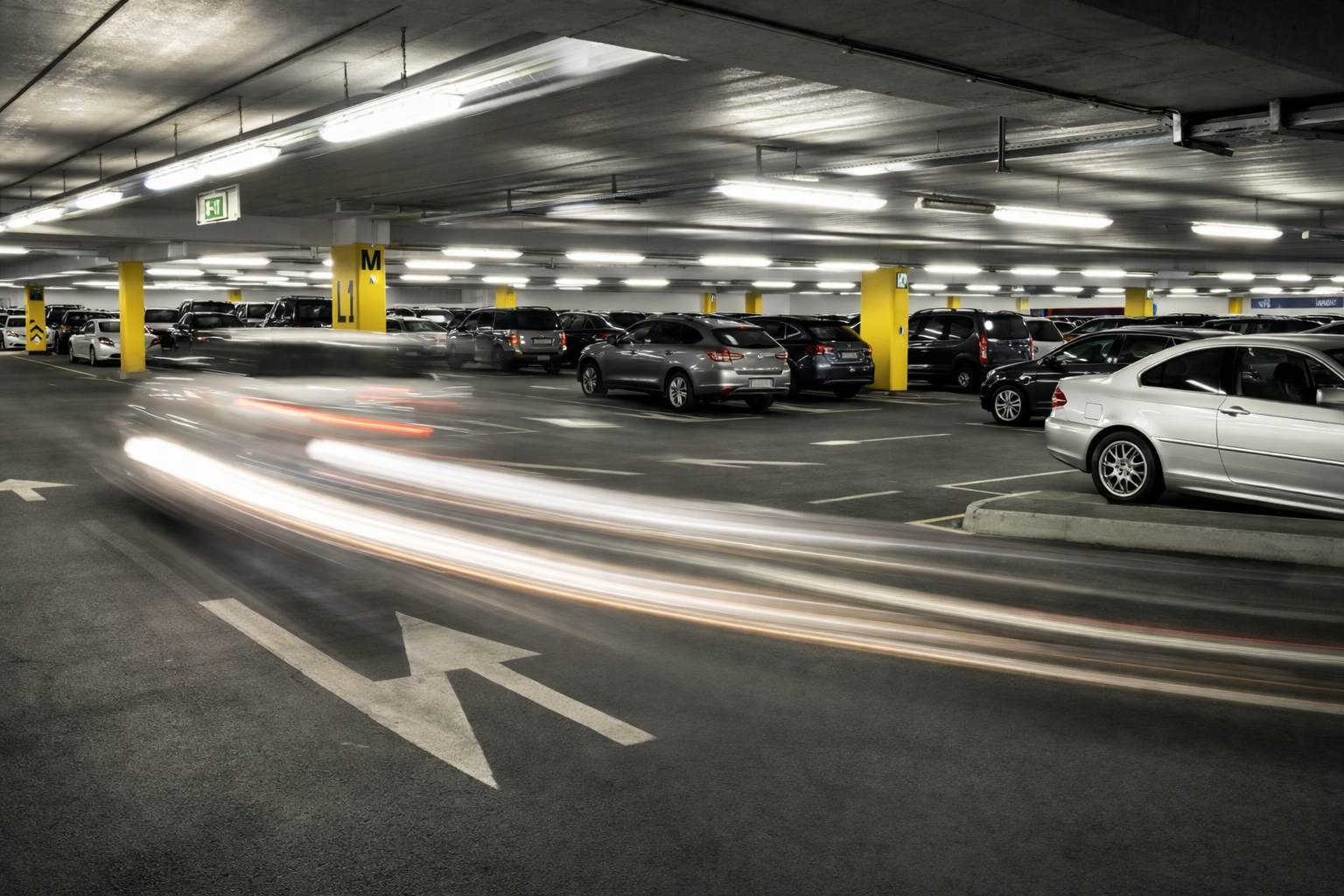
Car parks, loading areas, and internal roadways are generally some of the most overlooked high-risk zones in Australian workplaces.
Why?
Because they feel familiar.
But in reality, these environments combine:
- vehicles
- pedestrians
- blind spots
- reversing traffic
- time pressure
All in one space.
Without clear signage, the following result is predictable:
👉 confusion
👉 near misses
👉 property damage
👉 serious injury risk
The difference between a safe site and a dangerous one generally comes down to one thing:
➡️ Clear, consistent, and compliant signage
The Role of Signage in Site Traffic Control
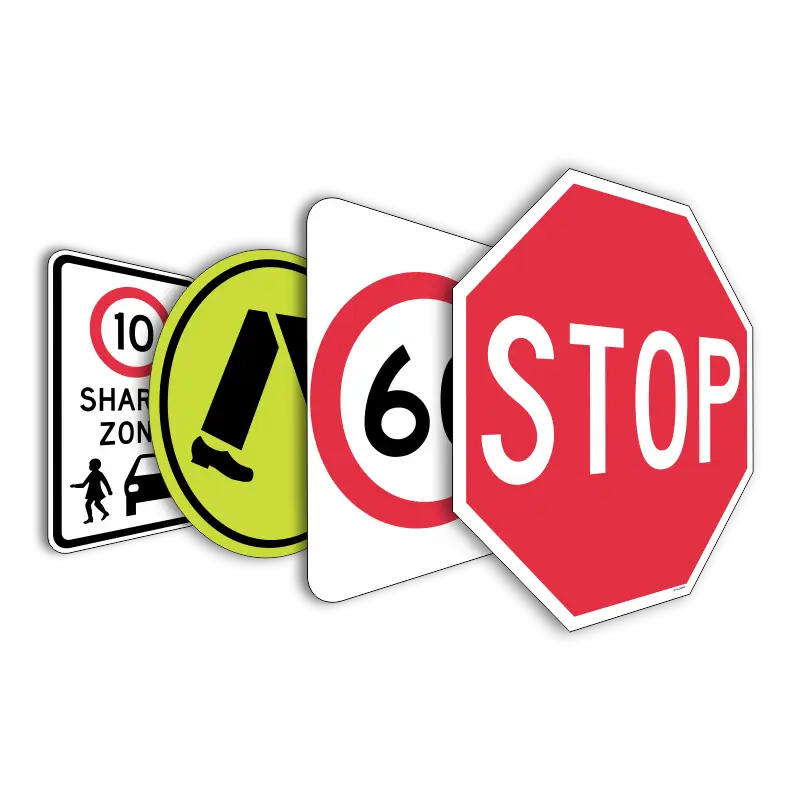
Car park safety and internal traffic signage is guided by principles from:
Together, these ensure:
- drivers know what to do instantly
- pedestrians understand where it’s safe to walk
- risks are clearly communicated
Key idea:
If someone has to think about what to do — your signage isn’t doing its job.
🚗1. Speed Limit Signage — Setting the Tone for Car Park Safety
Speed is undeniably one of the biggest contributors to incidents in car parks and worksites.
Moreover, even small increases in speed dramatically:
- reduce reaction time
- increase stopping distance
- increase injury severity
What effective speed signage does:
- sets expectations immediately upon entry
- reinforces safe behaviour across the site
- creates consistency for all drivers
Common mistakes:
❌ No speed signs at entry
❌ Inconsistent speed limits across areas
❌ Signs too small or poorly placed
✅ Best practice:
- Install speed signs at all entry points
- Reinforce at regular intervals
- Use high-visibility, and likewise, compliant designs
🚶2. Pedestrian Areas — Protecting People First
Pedestrian interaction is where most serious incidents occur.
Warehouse, factory, commercial site, and car park safety often relies on:
- informal walkways
- assumed behaviour
- “common sense”
That’s certainly not enough.
Signage is critical to:
- define pedestrian-only zones
- warn drivers of crossings
- separate vehicles from foot traffic
Common risks:
❌ No marked pedestrian priority
❌ Drivers unaware of crossing points
❌ Mixed-use areas without guidance
✅ Best practice:
- Clearly mark pedestrian crossings and walkways
- Use warning signage in advance of crossings
- Reinforce high-risk areas with multiple signs
🚛3. Loading Zones — Where Most Site Incidents Happen
Loading areas are one of the most dangerous parts of any site.
They involve:
- reversing vehicles
- forklifts
- blind spots
- time pressure
Without proper signage, these areas generally become chaotic quickly.
Key signage requirements:
- “Loading Zone” identification
- No parking / restricted area signage
- Reversing vehicle warnings
- Directional flow signs
Common mistakes:
❌ No clear zone definition
❌ Vehicles parking where they shouldn’t
❌ Lack of warning signage
✅ Best practice:
- Clearly define loading zones with signage
- Control traffic direction
- Use high-visibility warning signs
⚡4. EV Signage — The New Compliance Requirement
Electric vehicle infrastructure is expanding rapidly across Australia.
Subsequently, with that comes new requirements for:
- clear bay identification
- restricted use signage
- safety awareness
Why EV signage matters:
- prevents misuse of charging bays
- improves site organisation
- supports compliance and accessibility
Common issues:
❌ EV bays not clearly marked
❌ Confusion between general parking and EV-only
❌ Lack of directional signage
✅ Best practice:
- Install clear EV charging bay signage
- Include directional signage where required
- Use consistent, professional layouts
⚠️Common Site & Car Park Safety Signage Mistakes
Across Australia, we consistently see:
❌ Inconsistent signage styles
❌ Poor placement (particularly too late or not visible)
❌ Too few signs in high-risk areas
❌ Signs blocked by vehicles or structures
❌ Non-compliant or faded signage
✅ The 60-Second Site Traffic Safety Audit
Run this on your site today for improved site & car park safety:
- ✔️ Are speed limits clearly visible on entry?
- ✔️ Pedestrian areas – are they clearly defined?
- ✔️ Loading zones – are they properly signed and controlled?
- ✔️ EV bays – are they clearly marked and enforced?
- ✔️ Are signs visible from approach distance?
- ✔️ Is signage consistent across the site?
- ✔️ Is anything blocking visibility?
🏆 Why Businesses Choose National Safety Signs
At National Safety Signs, we don’t just supply signage — we help businesses get it right the first time.
✔️ Market leaders in compliant signage
We supply signage aligned with Australian Standards, ensuring your site meets expectations.
✔️ Custom solutions for any site
No two sites are the same.
We design and manufacture signage tailored to:
- warehouses
- construction sites
- commercial car parks
- strata and body corporate
- industrial facilities
✔️ Built for Australian conditions
Our signs are made to withstand:
- UV exposure
- weather
- heavy-use environments
✔️ Fast turnaround, Australia-wide
Because when you need signage — you usually need it now.
Final Thought: Control the Environment Before It Controls You
Car parks and site traffic areas don’t fail because of complexity.
They fail because of:
👉 unclear communication
👉 poor layout
👉 missing signage
The solution is simple:
➡️ Make movement obvious
➡️ Make decisions easy
➡️ Remove guesswork
✅ CAR PARK SAFETY CALL TO ACTION
Ready to improve your site safety?
➡️ Shop Car Park & Traffic Signs
➡️ View Speed Limit, Pedestrian & Loading Zone Signage
➡️ Explore Custom Signage Solutions for Your Site
Car Park & Site Traffic Safety – Frequently Asked Questions
What signage is required in a car park in Australia?
Car parks in Australia typically require signage that clearly controls vehicle and pedestrian movement. This includes:
- Speed limit signs
- Pedestrian crossing signs
- Loading zone and restricted area signs
- Directional and entry/exit signs
- EV charging bay signage (where applicable)
Signage should follow principles from AS1742 (traffic control) and AS1319 (workplace safety signage) to ensure clarity, visibility, add additionally provides consistency.
What is the recommended speed limit for car parks?
Most Australian car parks use speed limits between 5 km/h and 20 km/h, depending on:
- pedestrian traffic levels
- visibility and layout
- vehicle movement and congestion
Lower speeds are recommended in high-risk environments such as warehouses, loading zones, and shared pedestrian areas.
Why is pedestrian signage important for workplace and car park safety?
Pedestrian signage is critical because it:
- separates people from vehicle movement
- warns drivers of crossing points
- reduces the risk of collisions
Most serious site incidents involve pedestrians, making clear signage one of the most effective safety controls.
What signage is required for loading zones?
Loading zones should include:
- “Loading Zone” identification signs
- No parking / restricted access signage
- Reversing vehicle warning signs
- Directional flow signage
These signs help reduce confusion and control vehicle movement, especially in high-risk areas.
Do EV charging stations require signage in Australia?
Yes indeed — EV charging stations should be clearly identified with:
- EV-only parking signage
- Charging station identification signs
- Directional signage where required
This prevents misuse, improves site organisation, and significantly supports compliance with evolving infrastructure standards.
What are the most common car park signage mistakes?
The most common issues include:
- Missing or inconsistent signage
- Poor placement (not visible from approach)
- Incorrect sign sizes
- Faded or non-reflective materials
- Too few signs, especially in high-risk areas
These mistakes can lead to confusion, accidents, and potential liability.
How do I know if my site traffic signage is compliant?
A simple way to assess car park safety as well as compliance is to ask:
- Can drivers understand the layout instantly?
- Are signs visible from the correct distance?
- Are pedestrian areas clearly marked?
- Is signage consistent across the site?
If there is hesitation or confusion, improvements are needed.
Can car park signage be customised for my site?
Yes — as a matter of fact, in many cases, it should be.
Especially as every site has different:
- layouts
- traffic flow patterns
- risk areas
Additionally custom signage ensures:
- better clarity
- improved car park safety outcomes
- alignment with your specific site requirements
How often should safety signage be reviewed or updated?
Signage should be reviewed:
- during site changes or upgrades
- after incidents or near misses
- as part of regular safety audits
- when standards or requirements change
Regular reviews help ensure signage remains effective coupled with compliant.
What is the purpose of traffic signage in workplaces?
Traffic signage in workplaces is specifically designed to:
- control movement
- reduce risk
- communicate hazards clearly
- prevent accidents
It acts as a constant visual instruction system, especially in high-risk or busy environments.