Signs & Labels
-
Mandatory Signs (1)
-
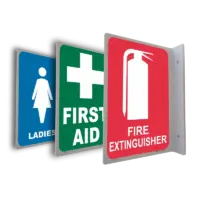
3D Projection Signs (22)
-
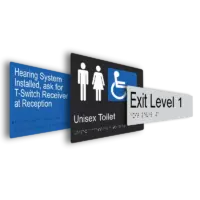
Braille Signs (97)
-
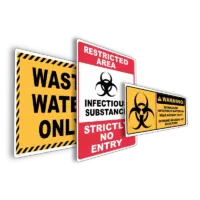
Biological Hazard Signs (35)
-
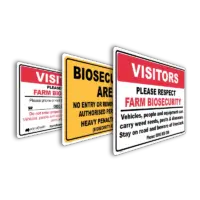
Biosecurity Signs - Quarantine AQIS Signs (78)
-
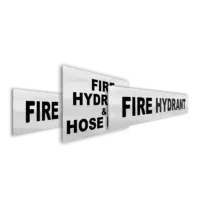
Brushed Aluminium Signs (57)
-
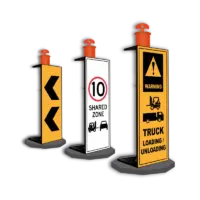
Bollard Signs (13)
-
Budget Signs (24)
-
Building & Construction Site Signs (324)
-
Combination Signs (137)
-
Health and Hygiene Signs (32)
-
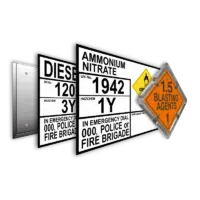
Dangerous Goods Panels & Placards (209)
-
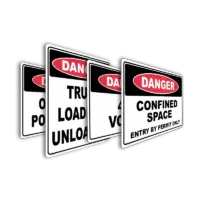
Danger Signs (458)
-
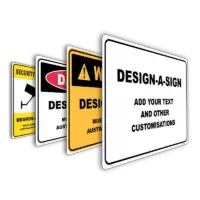
Design a Sign (108)
-
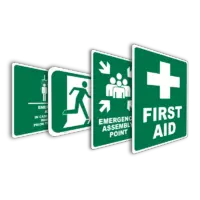
Emergency and First Aid Signs (156)
-
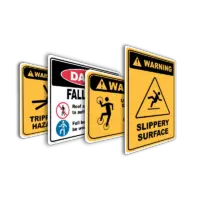
Falls and Obstacles signs (21)
-
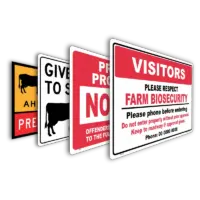
Farm Signs - Choose from these categories: (287)
-
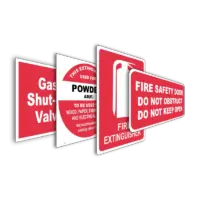
Fire Safety Signs (159)
-
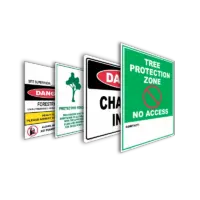
Forestry and Tree Services Signs (121)
-
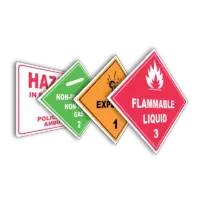
Hazchem and Dangerous Goods Signs (232)
-
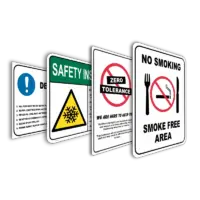
Hospitality Signs (213)
-
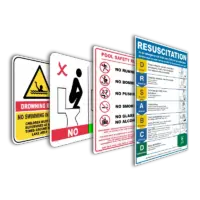
Information, Office Shop & Retail Signs (480)
-
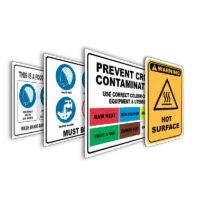
Kitchen Safety Signs (84)
-
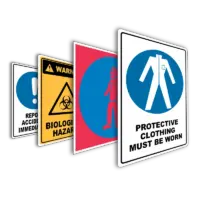
Laboratory Signs (95)
-
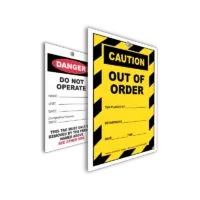
Lock Out, Electrical Test Tags (3)
-
Machinery Signs (171)
-
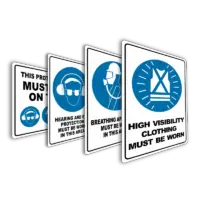
Mandatory Signs Australia (139)
-
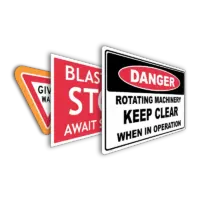
Mining Signs (169)
-
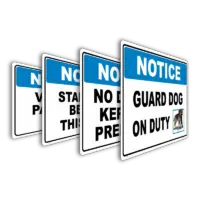
Notice Signs - Notice and Instructions (94)
-
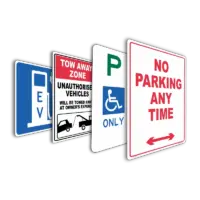
No Parking Signs - Parking Signs - choose category (238)
-
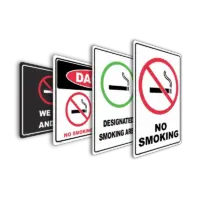
No Smoking Signs (125)
-
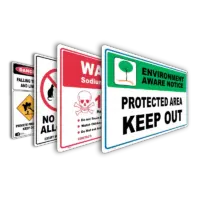
Parks, Reserves and Environment Signs (225)
-
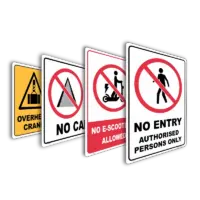
Prohibition Signs (172)
-
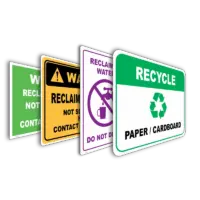
Recycle Signs (23)
-
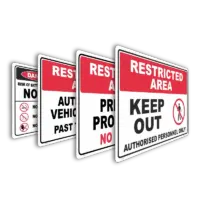
Restricted Area Signs (55)
-
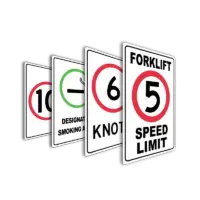
Restriction Signs - Restricted to and Permitted (47)
-
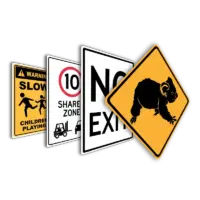
Road and Traffic Signs and Road Work Signs (1046)
-
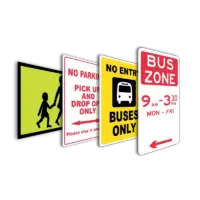
School Safety and Playground Signs (127)
-
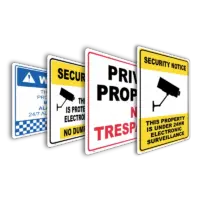
Security Signs - Trespass Signs (55)
-
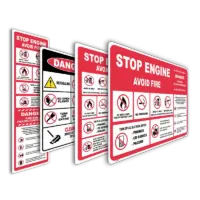
Service Station Signs (29)
-
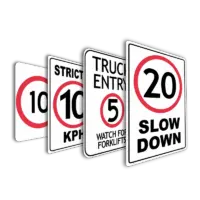
Speed Restriction Signs (65)
-
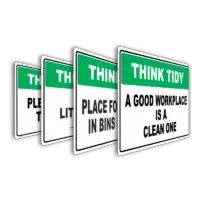
Think Tidy Signs - Keep it Tidy (17)
-
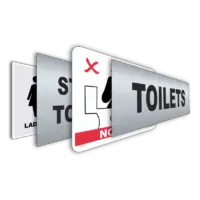
Toilet Signs (205)
-
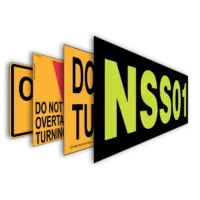
Truck and Vehicle Signs (188)
-
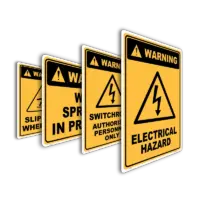
Warning Signs (475)
-
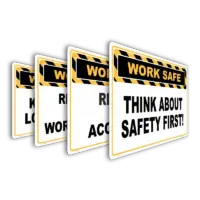
Worksafe Signs (27)
-
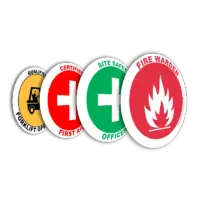
Hard Hat Stickers (19)
-
Pipe Markers (109)
-
Novelty (9)
Safety Signs & Labels — AS 1319 Compliant Signage for Australian Workplaces
National Safety Signs supplies over 12,000 AS 1319 compliant safety signs and labels to workplaces, construction sites, mine sites, and industrial facilities across Australia. Every sign meets the requirements of AS/NZS 1319-1994 — the Australian Standard for occupational safety signage — and the Work Health and Safety Act 2011.
Choose from danger signs, warning signs, mandatory signs, fire safety signs, emergency signs, prohibition signs, traffic control signs, and hundreds of specialist categories. Signs are dispatched from our Helensvale, Queensland facility. Most orders ship same day. Order online or call our sales team on (07) 5665 8996.
What Are Safety Signs?
Safety signs communicate hazards, instructions, and emergency information in the workplace. Australian law requires employers to display safety signs wherever a risk cannot be fully eliminated through engineering or administrative controls.
The governing standard is AS/NZS 1319-1994, Safety Signs for the Occupational Environment. It defines five sign types by colour and symbol: danger (red/white), warning (yellow/black triangle), mandatory (blue/white circle), prohibition (red circle/slash on white), and emergency (green/white). Each type has a specific meaning, format, and legal function under Work Health and Safety legislation.
National Safety Signs manufactures all five sign types in a full range of materials — from self-adhesive vinyl stickers to heavy-duty aluminium — to meet any site or environmental requirement.
Industries We Supply
NSS supplies safety signs to civil contractors, construction companies, mining operators, traffic management firms, local councils, schools, hospitals, warehouses, manufacturers, and facility managers across every Australian state and territory.
Each industry has specific signage obligations:
Construction and civil works — danger, mandatory PPE, and site access signs under the Work Health and Safety Regulation 2011.
Mining and resources — danger, mandatory, and Hazchem signs meeting state mining authority requirements.
Traffic management — AS 1742-compliant regulatory, warning, and multi-message traffic control signs.
Warehousing and logistics — Hazchem placards, forklift warning signs, and mandatory PPE signs.
Facilities and property management — fire safety, emergency exit, and no-parking signs.
Frequently Asked Questions
Q: What types of safety signs does National Safety Signs supply?
A: AS/NZS 1319-1994 defines five core sign types: danger signs (red and white, for immediate life-threatening hazards), warning signs (yellow triangle, for potential hazards), mandatory signs (blue circle, for required actions), prohibition signs (red circle and slash, for actions that must not occur), and emergency signs (green and white, for first aid and exit locations). National Safety Signs manufactures and supplies all five types. Additionally, our range includes fire safety signs, Hazchem and dangerous goods placards, traffic control signs, parking signs, and custom-printed signs — more than 12,000 products in total.
Q: Are National Safety Signs’ products compliant with Australian Standards?
A: Yes. National Safety Signs manufactures every sign to meet AS/NZS 1319-1994, Safety Signs for the Occupational Environment. This is the Australian Standard that specifies colour, format, and symbolic requirements for workplace safety signs under Work Health and Safety legislation. Traffic signs also comply with AS 1742, the Manual of Uniform Traffic Control Devices. Furthermore, NSS manufactures signs at their Helensvale, Queensland facility under quality-controlled production processes.
Q: What safety signs are legally required in Australian workplaces?
A: The Work Health and Safety Act 2011 and Work Health and Safety Regulation 2011 require persons conducting a business or undertaking (PCBUs) to display safety signs wherever other control measures do not fully manage a hazard. Specific requirements apply to several areas. These include confined spaces (AS 2865), electrical hazards, hazardous chemicals (GHS labels and Hazchem placards), fire equipment locations, emergency exits, and first aid facilities. The specific signs required depend on the nature of the hazard and the applicable state or territory WHS regulation.
Q: What materials are NSS safety signs made from?
A: National Safety Signs manufactures signs in several materials to suit different environments and durability requirements. Polypropylene is lightweight and suitable for indoor and sheltered outdoor use. Aluminium comes in 1mm and 1.6mm gauges for heavy-duty outdoor and industrial applications. Self-adhesive vinyl stickers suit machinery, vehicles, and equipment. Class 1 and Class 2 reflective materials are ideal for traffic control and low-light applications. Corflute offers a cost-effective option for temporary site signage. Additionally, 3M MCS Warranty-certified products are available across selected lines. See more info HERE
Q: How quickly are safety sign orders dispatched?
A: National Safety Signs dispatches most in-stock orders same day from their Helensvale, Queensland warehouse. NSS also offers express shipping options Australia-wide. Delivery timeframes depend on the destination. Metropolitan areas typically receive orders within one to two business days. Regional and remote areas take longer via Australia Post or courier. Bulk and custom orders may require additional production time. Contact the NSS sales team on (07) 5665 8996 to confirm lead times for time-critical orders.
Q: Can I get custom safety signs printed by National Safety Signs?
A: Yes. National Safety Signs offers a range of custom sign options. These include blank panel signs in various sizes and materials for custom text or graphics, custom-printed Hazchem and dangerous goods panels, and bespoke workplace and facility signs. Customers can place custom orders online via the Design a Sign section of the website, or by contacting the sales team directly. All custom signs must meet the applicable Australian Standard for that sign type.
Q: What is AS/NZS 1319-1994 and why does it matter for safety signs?
A: AS/NZS 1319-1994, Safety Signs for the Occupational Environment, sets the requirements for workplace safety signage in Australia and New Zealand. It defines five categories of safety sign — danger, warning, mandatory, prohibition, and emergency — and specifies the correct colours, symbols, shapes, and text formats for each. Work Health and Safety legislation across Australia requires compliance with AS/NZS 1319-1994. Non-compliant signs may not satisfy a PCBU’s duty of care obligations. Furthermore, site safety auditors or WorkSafe inspectors may reject non-compliant signs.
Q: Does National Safety Signs supply to mining and resources operations?
A: Yes. National Safety Signs supplies a dedicated range of mining signs covering danger, mandatory PPE, electrical hazard, underground safety, machinery, dangerous goods, and emergency signage. NSS manufactures signs to meet state mining safety regulations and AS/NZS 1319-1994. Additionally, NSS supplies Hazchem and dangerous goods placards for chemical and explosive storage areas. The NSS sales team can assist with bulk orders and site-specific requirements for mining operations in Queensland, Western Australia, New South Wales, and other states.
Q: Where is National Safety Signs located, and do they supply outside Queensland?
A: National Safety Signs is based in Helensvale on the Gold Coast, Queensland. However, they supply safety signs, labels, and signage products to customers across all Australian states and territories. These include New South Wales, Victoria, Western Australia, South Australia, Tasmania, the Northern Territory, and the ACT, via Australia Post and courier networks. Furthermore, NSS dispatches the majority of in-stock orders same day from the Helensvale facility.
Q: What is the difference between a danger sign and a warning sign under AS 1319?
A: Under AS/NZS 1319-1994, danger signs and warning signs communicate different levels of risk. A danger sign indicates an immediate hazard that will cause death or serious injury if not avoided. Danger signs use a red rectangular background with white lettering and the word DANGER. In contrast, a warning sign indicates a potential hazard that could cause injury or equipment damage if not avoided. Warning signs use a yellow triangle with a black border and a black hazard symbol. Use danger signs for the highest-severity hazards. Use warning signs for moderate and conditional hazards. Using the wrong sign type is a compliance failure under WHS legislation.